Name: Ms. Agnieszka Swiecka
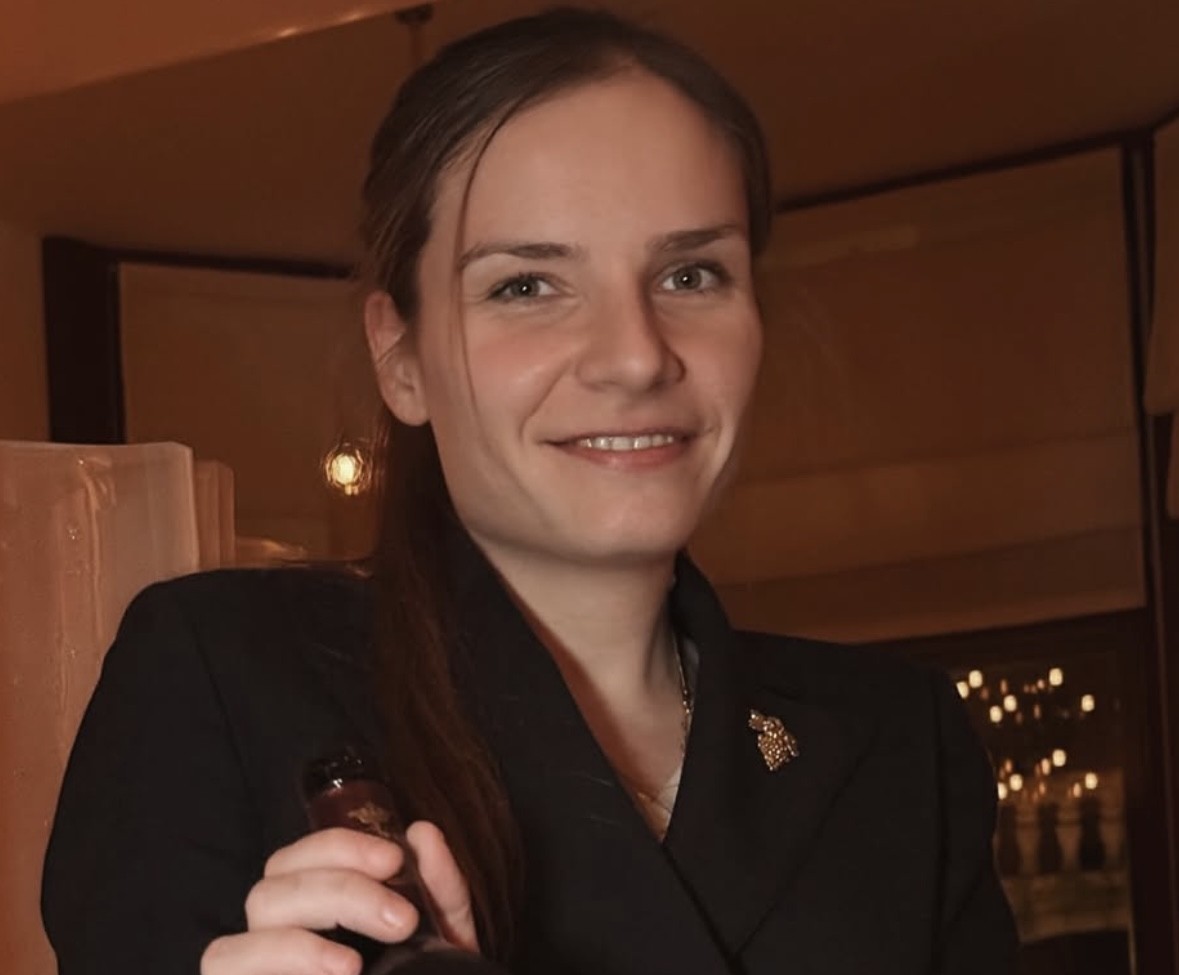
Nationality: Polish
Please tell us a little bit about your first encounter with wine & the wine industry. Did you have any particular mentors?
After finishing university, I started my career in the banking industry back in Poland. I knew early on that type of job wasn’t bringing me any fulfilment. I wanted to follow a career path where I could meet a lot of interesting people, stay connected with nature, but also satisfy my craving for travelling, trying different wines and food, and learning about different cultures through that. I wanted the luxury of every workday being different. A sommelier's job ticks all the boxes. I always admired Sommeliers and the front of the house team as a guest in restaurants and thought I could try to become a professional too. When I moved to London, it helped that, early on, I had met wonderful industry people like Laure Patry, who mentored me through the change.
In terms of mentoring for Sommelier Competitions and Master Sommelier exams, I had great advice and unconditional support from wonderful sommeliers: Melania Battiston, Salvatore Castano, Alexandre Fréguin, Angelo Altobelli, and wine collector and activist Queena Wong. (to name a few).
What specific traits or skills should a Sommelier possess for professional performance, and is there any person with those qualities you especially admire within the wine industry?
You should be a people person. Compassionate, open-minded and thirsty for knowledge. A good sommelier is a good listener, communicator, host, team player, and a bit of a psychologist at times. I would say it’s best to have a lifetime learner approach, there is always so much to discover, and the wine world is ever evolving. I believe positive attitude and discipline are the keys in the fast-paced, often stressful, and physically demanding restaurant environment. Likewise, these qualities are essential if you want to participate in sommelier competitions or get a qualification such as Master Sommelier or Master of Wine.
What would be your advice to a young Sommelier(e)? How to find a good position at home or abroad? Any further tips?
My approach was to always stay curious and passionate about the job, develop a solid knowledge background through courses like Court of Master Sommeliers, WSET, ASI Diploma, and trust the process. When I started out, I was always scanning job portals as well as networking with peers to make sure I was aware of any upcoming positions. I would do a lot of job interviews with an open mind. It’s important to be yourself, rather than trying to fit in perfectly with the company’s job description or recruiter expectations. After all, when you get hired, you don’t want to put a mask on every time you go to work. To me, the most important thing was to work with an inspiring, friendly, and ambitious bunch of people who are actually excited to come to work every day. I took into consideration other factors like the wine list profile, the salary, the style of the venue, and the location, but they were secondary criteria.
I believe it’s great to develop a bit of your own brand as your career progresses. Competitions or Court of Master Sommeliers qualifications can be a good way to start. It could also be writing, social media presence, hosting masterclasses, starting a tasting club or supper club, the list goes on, and you can be as creative as you like. When you increase your visibility, you increase your chances of meeting like-minded people and wonderful job opportunities, or collaborations may come your way.
When a customer asks for advice on selecting wine, what, in your opinion, would be the best approach?
Quite simple. Actively listen to the guest and then ask questions that can help you find the best wine for their taste, budget, and occasion. It’s important to make guests feel at ease and understand their needs. You should strive to find common ground. For example, the guest wants to try something new and exciting. Something similar to red Burgundy. For you, that may mean new wave Sierra de Gredos, Comando G Rumbo al Norte single vineyard Garnacha, or an aged Cru Barbaresco. You know your new world Pinot Noir alternatives, but for you, they are already well-established, well-known options. However, for the guest, this still may be the discovery and what they are actually looking for. Open dialogue, mutual respect, and understanding are always the way to go. Not only at the restaurant table.
What is your philosophy about glasses? Are you working with well-known brands, or are you considering new brands as well? How do you decide?
It really depends on the type of venue (fine dining restaurant, bistro, pub, music hall, festival, home, etc) and occasion. I generally prefer to keep things simple. Rather than going with grape-specific glassware, I would use sleek white and red wine glasses and couped red and white wine glasses, often referred to as Burgundy glass. There are a lot of fantastic brands to choose from. I often use Richard Brendon x Jancis Robinson the Original Wine Glass, and Nude glass Stem Zero collection, among others, but I am always happy to hear about new brands.
What advice would you give people on pairing wine with food?Andrew Jefford’s reflections in Drinking with the Valkyries - essay “Disarming the Mafia”, resonate with me the most. Since I can’t explain it better than he, I encourage you to read it. Page139.
Should a Sommelier:ère taste the guest’s wine?
In my opinion, yes. This ensures that the guest is not served faulty wine. Sometimes you can’t detect a fault from just smelling the cork. It’s also the way for sommeliers to taste a wide range of wines, build their olfactory memory of them, and get better at their profession. This means that they can observe the development of a particular vintage of a given wine and describe at which stage of the drinking window the wine is with more insight and accuracy.
What are the key ingredients for creating a wine list for a restaurant, and what is your opinion on pricing wine in restaurants? Do you have tips for determining markups?
When I design a new wine list, I always consider the type of business I work for and the guests that come to visit us. The wine should fit the concept as well as be either one of the styles that the core clientele enjoys, or perhaps the wine offers a discovery or interesting alternative, or complements restaurant food particularly well. There should always be an added value there for guests who are at the centre of every restaurant operation.
The wine should be clean and well-made, balanced and offer typicity of place, varietal, vintage, etc or showcase traditional winemaking style/tradition of a region. The wine experience in the restaurant should offer good value for the quality ratio, from entry level all the way up to luxury level. The decisions regarding markups are not usually made at the Head Sommelier/ Wine Director level. Most of the time, it’s up to the Business Owner, CFO, or Operations Director. There are a lot of things to consider for the business owner, though. The final restaurant prices for the menu and beverages have to be sustainable to cover labour wages, bills, rent, produce costs, tax, duty, uniforms, credit card fees, printing menus, and the list goes on. There are many variables - for example restaurant in London’s Mayfair will likely have much higher rent than a restaurant in Hackney, so prices will likely be higher too.
Then there is, of course "Blue chip" fine wine question. Many of the rare, fine wines disappeared from restaurant wine lists altogether (at least in the UK). Most of these wines are allocated by distributors to private wine collectors or very few long-standing restaurants with historical allocations. If you open a new business, there is almost 0 chance of getting these wines, unless you have the right connections. Even then, you will be getting young vintages that won’t necessarily go straight on the list. To me, a huge problem is created by the inflated secondary market, which is often driven by speculation. There are a lot of people who buy wines just to resell them, at the highest possible profit. Wine buyers for a restaurant, without access to direct allocations, if they want to list these wines, they are forced to look at the secondary market, with already inflated prices and then add their margin too. Usually, the markup for fine wines in a restaurant is much lower than for other wines.
I know of restaurants in France that had very good prices for famed Burgundy bottles and wine investors from around the world were going there to buy these wines as “takeaway” at list price, so they could resell them at a higher profit on the secondary market. I’ve heard that now, when some of the famous wine makers allocate their wine to some local restaurants, they dictate the recommended price, and require the original corks to be sent back; only then can you re-buy the wine for your business. This ensures that the wine is enjoyed at a fair price in the restaurant. It’s not widely practised, though.
How do you manage to stay on top of the changes in the wine industry?
I try to have a realistic study schedule. Break the bigger subject into smaller blocks and be consistent with what I put in. It takes certain discipline, but to see the progress is very rewarding. I go to wine tastings and exchange ideas with other sommeliers, suppliers, and my restaurant guests. I read wine magazines and follow different online platforms for current news. However, I believe there is no better education than travel. To see the wine region, talk to wine makers and eat local food gives you a deeper understanding and stays in your mind forever.
How would a new vineyard get its wine noticed, and what is the best way for producers to improve their chances of being listed?
I would suggest participating in wine fairs and presenting wines at tastings organised by distributors. Be there in person or send an employee who lives and is passionate about the ethos of your winery and is passionate about your wines. There are a lot of great wines out there, and building genuine relationships can help you stand out. Do your research on wine distributors and try collaborating with the company that shares your values and has a similar vision. Networking could be a good idea. Could your winemaker colleagues recommend you to a great distributor? When you dine in the restaurant, do you have conversations with sommeliers, waiters, or managers? Even if they are not decision makers, they often have a strong influence, and as they grow in ranks, they may be your future buyers. Social media presence with authentic, educational, and honest content can also help you get noticed. Authenticity and a great quality product, along with a meaningful story behind it, is invaluable.
If you were a wine, which variety would you be, and why?
I would say Chardonnay, as I always try to adapt, as best as I can, to any conditions. And I love to travel the world.
Which top 3 types of wine (your faves would we find in your home wine collection, and what’s your desert island wine?
The types of wines I like for my cellar tend to have a common thread of great acidity, flavour concentration and depth, and balance. I have a bit of white and red Burgundy, some great Sangiovese, Cabernet Franc, Northern Rhone Syrah, and Rieslings. I am enjoying cellaring and exploring the ageing potential of South African Chenin Blancs, Assyrtiko and Blaufränkisch-based wines. I am a bit obsessed with serving wines at certain temperatures, and I like my reds on the slightly colder side, so unless there are refrigeration options on that desert island, I would rather stick with water and wait to be saved. I wouldn’t mind finding a stash of old rum bottles to take home, though.
Any interesting suggestions about magazines or online platforms?
I really like https://winewitandwisdomswe.com/ by the Society of Wine Educators. They are always the first to post news and updates from the wine world. Their Instagram page is fantastic, too. I would also recommend the Instagram page of Sietze Wijma | The Art of Tasting https://www.instagram.com/artoftasting/?hl=en. It’s great for understanding the origin of flavours in wine and other beverages.
For blind tasting, Stefan Neumann MS has insightful tips on his Instagram page and an online blind tasting course, too, with even more practical advice and information. https://www.instagram.com/stefanthesommelier_ms/?hl=en
The podcasts I enjoy are I‘ll drink to that! by Levi Dalton https://illdrinktothatpod.com/ and Jasper Morris Inside Burgundy podcast channel. https://insideburgundy.com/introducing-the-jmib-podcast-channels-on-apple-and-spotify/
Finally, I would like to recommend my favourite wine book - Andrew Jefford’s Drinking with the Valkyries. Writings on Wine.
To quote Oz Clarke: “If you're ever feeling tired of wine, open this wonderful book – at any page – and read, for one minute, for 10, for an hour. The inimitable Andrew Jefford will restore your belief in its ability to intrigue, to challenge, to enchant, and to amaze.”
Best regards,
Agnieszka
⚜️Why Working Abroad as a Sommelier:ère Could Be a Game Changer: click
⚜️Looking to hire a professional Sommelier:ères? Zeitgeist connects top talent with premium hospitality employers worldwide. Post a job
⚜️Looking for the perfect wine list? Feel free to go to the link
*****

Dominik Kozlik e.U.
78/12 Gruberstr.
4020 Linz, Austriaco