Name: Ms. Gabriela Pozo
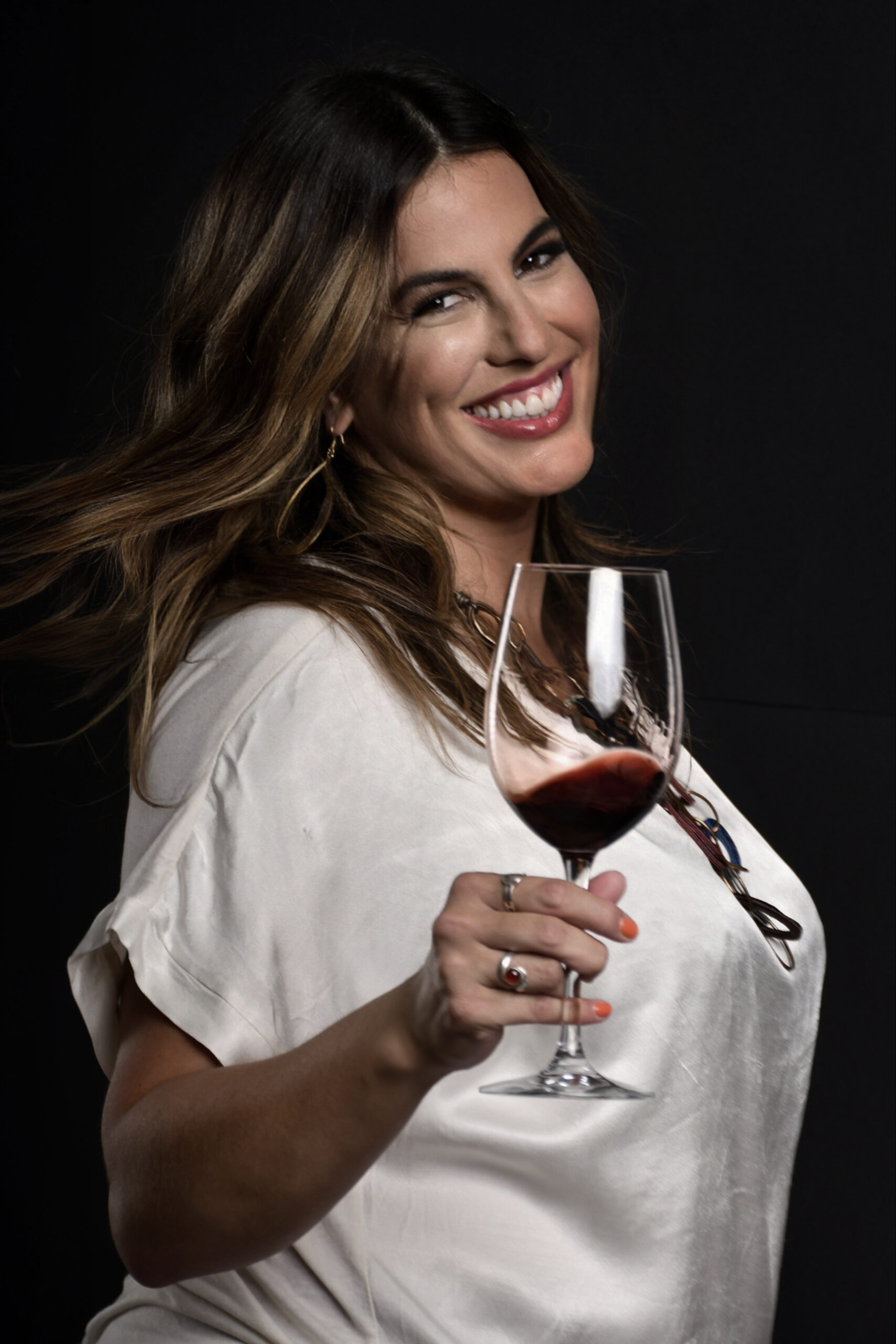
Nationality: Ecuadorian
Please tell us a little bit about your first encounter with wine & the wine industry. Did you have any particular mentors?
My first encounter with wine began within my family. My mother started organizing wine tastings in 2000, and from then on, wine became part of our daily life—not only as a beverage, but as a cultural and human experience that brings people and stories together.
However, my true passion began during school, when I decided to write my graduation thesis on Ecuador’s viticultural potential. From that moment, I understood that wine was much more than a passing interest—it was a fascinating universe that I wanted to explore and share.
After graduating from university, I had the opportunity to work at Zuccardi Winery, an experience that profoundly shaped both my professional and personal life. There, I learned the importance of terroir, innovation, and respect for the land. I came to understand that behind every great wine are extraordinary people—entire families dedicated for generations to preserving a legacy built with effort, passion, and sensitivity. Vineyards are silent witnesses to stories of hard work, perseverance, and love for the land.
I would also like to take this opportunity to express my deep gratitude to the entire Zuccardi family, and especially to my mentor Mariana Palmarocchi, who left an invaluable mark on my education and on the way I understand wine—as culture, passion, and a way of life. Then Pablo Conselmo, who encouraged me to be the Leading Founder of AESOMM. The Ecuadorian Association of Sommeliers.
What specific traits or skills should a Sommelier possess for professional performance, and is there any person with those qualities you especially admire within the wine industry?
A great sommelier does not seek to impress with complex terminology or recommend a label based on prestige or trends. Instead, they understand each person’s preferences and recommend what will truly create a memorable experience. They recognize that behind every bottle there is a story that deserves to be told authentically.
Humility
A sommelier understands that wine should bring people together, not intimidate them. Behind every glass are vineyards, families, traditions, climates, soils, and generations devoted to the art of wine. A sommelier has the privilege of translating this complex universe into emotions.
Continuous learning
The world of wine is constantly evolving. New regions emerge, consumer trends shift, and innovations in viticulture, sustainability, and winemaking continue to develop. A sommelier never stops learning. Tasting, studying, traveling, researching, and staying connected to the industry allows them to broaden their perspective and enrich their judgment.
Passion
Passion is the soul of a sommelier. It is the energy that transforms a recommendation into an unforgettable experience and a simple tasting into an emotional journey. A passionate sommelier conveys enthusiasm, curiosity, and admiration for the work behind every wine. That passion is reflected not only in knowledge, but also in the way they serve, communicate, and make every moment around a glass of wine feel special.
Pascaline Lepeltier: her knowledge and the way she has researched and written about in her book 1000 vines. Great profession and has done a lor for the wine industry.
What would be your advice to a young Sommelier? How to find a good position at home or abroad? Any further tips?
My advice for those wishing to develop in the world of sommellerie is, above all, to constantly practice service and taste as many wines as possible. Wine is learned through study, but also through lived experiences around it.
It is essential to connect with sommelier associations and specialized organizations in each country, as they allow you to become actively involved in the industry, build connections, participate in tastings and competitions, and access educational and professional growth opportunities.
Seeking internships to experience harvest season, vineyard work, and winemaking firsthand also helps build a deeper understanding of wine. Additionally, building a strong professional image on social media with valuable and updated content is key.
When a customer asks for advice on selecting wine, what, in your opinion, would be the best approach?
The first step in recommending a wine is listening to and understanding the client—their tastes, preferences, and expectations—to offer a more personalized recommendation.
It is also essential to understand food pairing within the restaurant’s culinary concept so the experience becomes truly memorable. Sharing something meaningful about the wine—its history, a unique vineyard characteristic, or an anecdote that emotionally connects with the consumer—adds value.
Above all, maintaining a warm, kind, and authentic attitude helps make the customer feel more comfortable while transmitting a genuine passion for wine.
What is your philosophy about glasses? Are you working with well-known brands, or are you considering new brands as well? How do you decide?
Personally, I work with renowned brands such as Gabriel-Glas, Riedel, and Spiegelau, selecting each according to the restaurant’s level and concept. Every venue has different needs, and the glassware should complement both the gastronomic proposal and the intended guest experience.
What advice would you give people on pairing wine with food?
I always compare wine pairing to personal relationships. Different personalities can complement one another, and similar personalities can also work beautifully together. Harmony is about balance—enhancing both the wine and the food.
Within a gastronomic offering, it is important to have previously tasted possible pairings and understand certain ingredients in order to make more accurate recommendations.
Should a Sommelier:ère taste the guest’s wine?
If they are premium wines with long aging potential, it is important to ensure the bottle is in optimal condition before serving it to the customer and not allow the consumer to experience disappointment if the wine is flawed.
What are the key ingredients for creating a wine list for a restaurant, and what is your opinion on pricing wine in restaurants? Do you have tips for determining markups?
The first step is understanding the restaurant’s concept to create a wine list balanced between identity, gastronomic experience, and commercial strategy—aligned with both the customer profile and the cuisine.
A good wine list should include a variety of styles, regions, and price ranges. Regarding pricing, wine should be profitable for the restaurant while remaining accessible and attractive to the customer. Restaurants must analyze storage costs, inventory, glassware, and service, while working with differentiated margins.
How do you manage to stay on top of the changes in the wine industry?
By reading articles by James Suckling, Wine Spectator following sommeliers around the world, traveling, teaching, and participating in the creation of the Ecuadorian Sommelier Association, I have had deeply enriching experiences.
Being part of the Association de la Sommellerie Internationale (ASI) I give sommeliers access to various materials that help them stay up to date. Participating in competitions, certifications, and assemblies has allowed me to stay constantly updated, as I meet key Producers, Sommeliers and gain access to international updates.
How would a new vineyard get its wine noticed, and what is the best way for producers to improve their chances of being listed?
Having a story to tell is essential. Participating in fairs, tastings, competitions, and specialized events allows sommeliers, buyers, restaurants, and consumers to directly experience the product.
It is important to taste wines with the people making purchasing decisions rather than simply leaving samples behind. Strong relationships are built through shared experiences.
Ultimately, the wines that remain on a wine list are those that combine quality, identity, emotion, and maintain visibility through activations and engagement.
If you were a wine, which variety would you be, and why?
I would be a Pinot Noir because it requires care, is very sensitive, and represents passion, romance, high standards, and calmness.
I value artisanal work because I come from the chocolate world, which also requires meticulous craftsmanship to achieve a high-quality product—just like a great Burgundy Pinot Noir.
Which top 3 types of wine (your faves would we find in your home wine collection, and what’s your desert island wine?
A Grenache from Sonoma Valley
A Pinot Gris from Alsace
Dom Pérignon P2 from Champagne
I had to bring one wine to a deserted island, I would choose Dom Pérignon P2.
Any interesting suggestions about magazines or online platforms?
Regards,
Gaby
⚜️Why Working Abroad as a Sommelier:ère Could Be a Game Changer: click
⚜️Looking to hire a professional Sommelier:ères? Zeitgeist connects top talent with premium hospitality employers worldwide. Post a job
⚜️Looking for the perfect wine list? Feel free to go to the link
*****

Zeitgeist Sommeliers - Premium Niche Sommelier Job Platform