Name: Ms. Nebiye Kaya
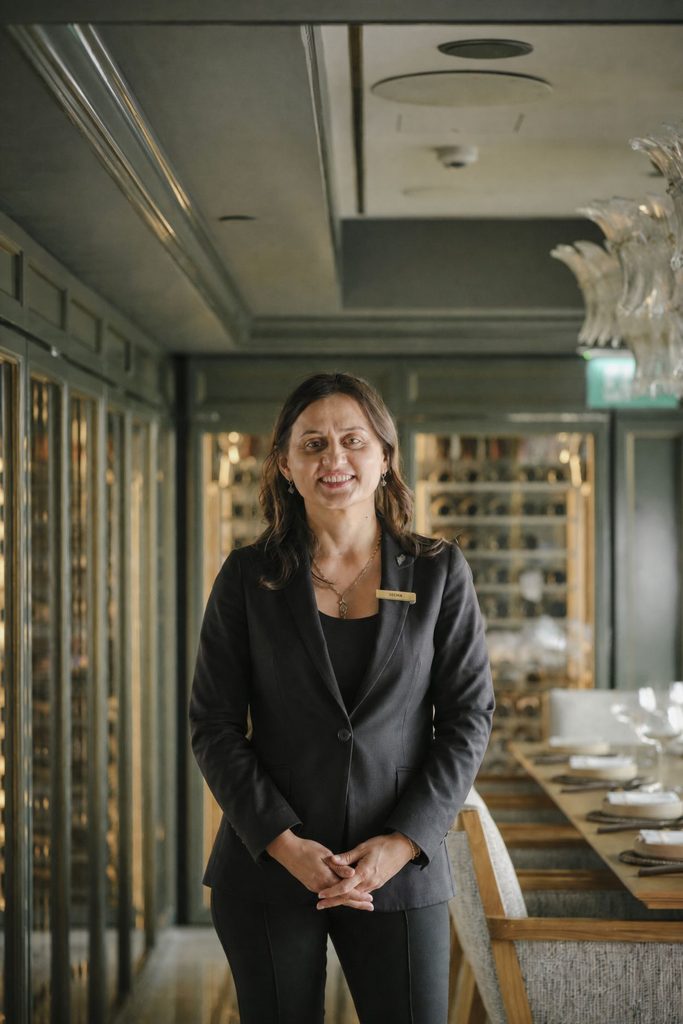
Nationality: Turkish
⚜️Could you tell us about your first encounter with wine and how you entered the wine industry? Did you have any particular mentors who shaped your career?
My journey with wine began long before my professional career, during my high school years. My first encounter with the poetry of Omar Khayyam sparked my intellectual curiosity about wine. In his Rubaiyat, wine is portrayed not merely as a beverage, but as a metaphor for life, time, freedom, questioning and human existence. This perspective deeply influenced me.
Years later, this literary curiosity evolved into a professional passion. I have over 23 years of experience in tourism and hospitality, and I am approaching 16 years in the wine industry. What initially began as part of hospitality and service culture gradually became a world I wanted to explore in depth, through its geography, history, grape varieties, producers and cultural identity.
Throughout my career, I have had the opportunity to learn from different countries, wine regions and producers. I believe every new experience, vineyard visit and tasting has contributed to shaping my perspective on wine. For me, this journey is not an education that can ever be completed, but a passion that continuously inspires discovery.
⚜️What specific traits or skills must a professional Sommelier possess to perform at the highest level? Is there anyone in the wine world you especially admire for these qualities?
I believe technical knowledge alone is not enough to become a great sommelier. Curiosity, emotional intelligence, discipline, humility, communication skills and strong observation are equally important.
A sommelier should be able to understand not only the wine in the glass but also the person sitting across the table. Knowing when to guide, when to listen and when to step back is an essential part of genuine hospitality.
I particularly admire professionals who are generous with their knowledge, use their achievements to inspire and support others, and never stop learning.
For me, the most inspiring people are those who possess exceptional knowledge but never turn it into a demonstration of superiority.
⚜️What is your best advice for a young Sommelier on how to find a great job position at home or abroad? Do you have any insider tips for job seekers?
My first advice would be to never lose their curiosity. Wine is a world in which learning never really ends. No matter how much experience you gain, there will always be a new region, grape variety or production philosophy to discover.
I encourage young sommeliers to first build a strong foundation in service culture, tasting discipline, wine knowledge and communication skills. Rather than focusing solely on prestigious hotels or restaurants, they should seek environments that genuinely challenge them and contribute to their development.
For those looking to work abroad, foreign language skills, cultural adaptability and openness to different working environments are essential. They should research the philosophy and expectations of the establishments they approach and be able to communicate clearly what they can contribute.
Most importantly, never underestimate the value of experience while pursuing professional titles. Work with good people, taste as much as possible, travel whenever you can and build meaningful professional relationships.
A good position may open a door, but your attitude, discipline and passion will determine how far you go beyond it.
⚜️When a guest asks for advice on selecting a wine, what is your personal approach to table service?
My approach is always to start by asking questions and listening to the guest.
Understanding their palate preferences, expectations, food choices and even the atmosphere of the occasion helps me make a more meaningful recommendation.
I do not believe that recommending the most expensive or prestigious wine necessarily creates the best experience. The right wine is the one that makes the guest happy and enhances their moment.
Successful wine service is not about demonstrating how much you know; it is about making guests feel understood, comfortable and confident in their choices.
⚜️What is your philosophy on wine glasses? Do you prefer established, well-known glassware brands, or do you consider new brands as well? How do you make your choice?
I consider glassware an essential part of the wine experience. A glass should not simply be aesthetically pleasing; it should also allow the wine to express its character and aromatic profile as accurately as possible.
The shape, rim diameter, bowl capacity, balance, weight and practicality of a glass are all important considerations for me.
I particularly value supporting local production when selecting glassware. In this respect, I enjoy working with NUDE, especially its Steam Zero collection. I believe locally produced alternatives that combine design, elegance and functionality can deliver an experience that meets international standards.
Ultimately, my decision is based more on performance than on the name of the brand. A glass should never overshadow the wine; it should help tell its story in the best possible way.
⚜️What advice do you give guests regarding food and wine pairing? Do you follow classic rules or modern trends?
I would encourage people not to approach food and wine pairing as a set of rigid rules.
Understanding acidity, texture, intensity, sweetness and structure is a good starting point. However, some of the most enjoyable pairings come from curiosity and the willingness to experiment.
I particularly pay attention not only to the main ingredient of a dish but also to its cooking technique, sauces, spices and dominant flavours.
A successful pairing can create harmony, but it can also be memorable through an interesting contrast. What matters most is that neither the wine nor the food overshadows the other.
⚜️Should a Sommelier always taste the guest’s wine before serving it? What is your take on this tradition?
Absolutely, provided there is a clear purpose.
A sommelier's primary responsibility is to ensure that the wine is in proper condition and that the guest receives exactly what they ordered.
I believe it is particularly important to assess a bottle before presenting it to the guest, in order to identify any potential faults.
However, there is an important distinction: our responsibility is to ensure the wine is technically sound, not to judge the guest's palate or dictate what they should enjoy.
⚜️What are the key factors in creating a successful restaurant wine list, and how do you determine wine pricing and markups?
A successful wine list should reflect the identity of the restaurant, its culinary philosophy, its guest profile and its destination.
I believe balance is essential. A good wine list should bring together international classics and emerging regions, established producers and exciting discoveries, while offering choices across different price categories.
I particularly value local wines in destinations with a strong viticultural heritage, such as Türkiye. Turkish wines should not simply occupy a local section of the list; they should tell a story about the country's viticultural heritage, grape varieties and potential.
When it comes to pricing, I believe commercial sustainability and accessibility for the guest should go hand in hand.
Purchase costs, import duties, currency fluctuations, storage, operational expenses, stock turnover and market positioning must all be considered.
I do not believe applying one fixed mark-up to every bottle is the right approach. Different price segments and wine categories require different pricing strategies.
Ultimately, a wine list should be commercially successful without making guests feel that enjoying a good bottle of wine is an inaccessible luxury.
⚜️How do you manage to stay up to date with the constant changes and trends in the wine industry?
I believe continuous learning is an essential part of being a sommelier.
I follow international wine publications, professional organisations, producers and regional wine associations. Attending tastings, visiting wine regions and communicating directly with producers are also very important to me.
Travel has a particularly special place in this process. Reading about a wine region can provide knowledge, but experiencing its vineyards, climate, people and culture firsthand offers an entirely different perspective.
I also believe that staying informed means being willing to question what we already know. The wine industry is constantly evolving, and a sommelier should always remain open to new ideas.
⚜️How can a new vineyard get their wine noticed by hospitality professionals, and what is the best way for producers to get listed?
First of all, producers need to understand that building relationships with sommeliers is a long-term process.
A good wine should speak for itself, but quality alone is not always enough. Consistency, a clear identity, realistic pricing and professional communication are equally important.
I would encourage emerging producers to organise focused tastings, provide accurate and transparent technical information, and communicate what makes their vineyards and production philosophy distinctive.
For a wine to earn a place on a restaurant's list, it needs to fit the restaurant's concept, complement its cuisine and offer guests a meaningful reason to discover it.
I particularly encourage Turkish producers to look beyond the domestic market. We have extraordinary grape varieties, diverse terroirs and stories that deserve international recognition.
What we need is consistency, stronger communication and a collective effort to establish a stronger international identity for Turkish wine.
⚜️If you were a wine, which grape variety or style would you be, and why?
I would be Nebbiolo.
It is a grape variety that does not reveal everything at first encounter. It develops with time and offers more as you continue to explore it.
Behind its powerful character, it carries elegance, sensitivity and remarkable complexity. It requires patience and time to be truly understood.
I find something beautiful in that. I believe human relationships can be similar; we should look beyond first impressions and take the time to discover the details.
⚜️Which top 3 wines are currently in your private home collection, and what is your ultimate "desert island" wine?
My personal collection would reflect three different dimensions of my relationship with wine.
My first choice would be Chardonnay, particularly from Burgundy, and especially Meursault. I deeply appreciate the way Chardonnay expresses different terroirs, as well as the texture, minerality and elegance of Meursault.
My second choice would be Champagne. For me, Champagne represents not only celebration but also extraordinary craftsmanship, patience and dedication.
My third choice would be wines made from indigenous Anatolian grape varieties. Bornova Misketi and Öküzgözü hold a particularly special place in my heart. One fascinates me with its aromatic character and elegance, while the other impresses me with its structure and versatility across different wine styles.
If I could take only one wine to a desert island, I would probably choose Meursault. I believe it would continue to offer something new to discover with every glass, even after spending a long time with it.
⚜️Which wine magazines, books, or online platforms do you recommend for industry professionals?
I enjoy following publications that approach wine beyond its technical aspects and also explore its culture, history, geography and the people behind it.
Some of my recommendations would be:
The World of Fine Wine: For exploring the cultural, historical and gastronomic dimensions of wine.
Decanter: For international wine coverage, regions, producers and industry developments.
JancisRobinson.com: For in-depth analysis, education and professional perspectives.
Wine Spectator: For wine reviews, industry news and international developments.
GuildSomm: An excellent educational resource for sommeliers and professional development.
Thank you
Nebiye
⚜️Why Working Abroad as a Sommelier Could Be a Game Changer: click
⚜️Looking to hire a professional Sommelier:ères? Zeitgeist connects top talent with premium hospitality employers worldwide. Post a job
⚜️Looking for the perfect wine list? Feel free to go to the link
⚜️ ✦ ⚜️

Zeitgeist Sommeliers - Premium Niche Sommelier Job Platform